Image Credit: ivonnewierink/123rf.com
Starting a vegetable garden can provide a rewarding source of fresh produce, but beginning the process indoors can significantly enhance the success of your crops. By starting seeds inside, gardeners can extend their growing season and increase the likelihood of a robust harvest.
Assessing your indoor space is essential before planting. Light availability throughout the day will determine which seeds are suitable for your environment. Beginners are encouraged to start with a few manageable varieties, ideally selecting those that are easy to grow, such as tomatoes, beans, and leafy greens. It is beneficial to purchase seeds from local suppliers to ensure they are well-suited to the regional climate.
Timing is crucial when it comes to starting seedlings indoors. In the majority of the United States and Canada, late February to early March is an ideal time to begin planting. Warmer regions may allow for earlier planting, while cooler areas might need to wait until mid-to-late March or early April, depending on local frost dates. A general guideline is to count back six to eight weeks from the last frost date to determine when to start seeds indoors.
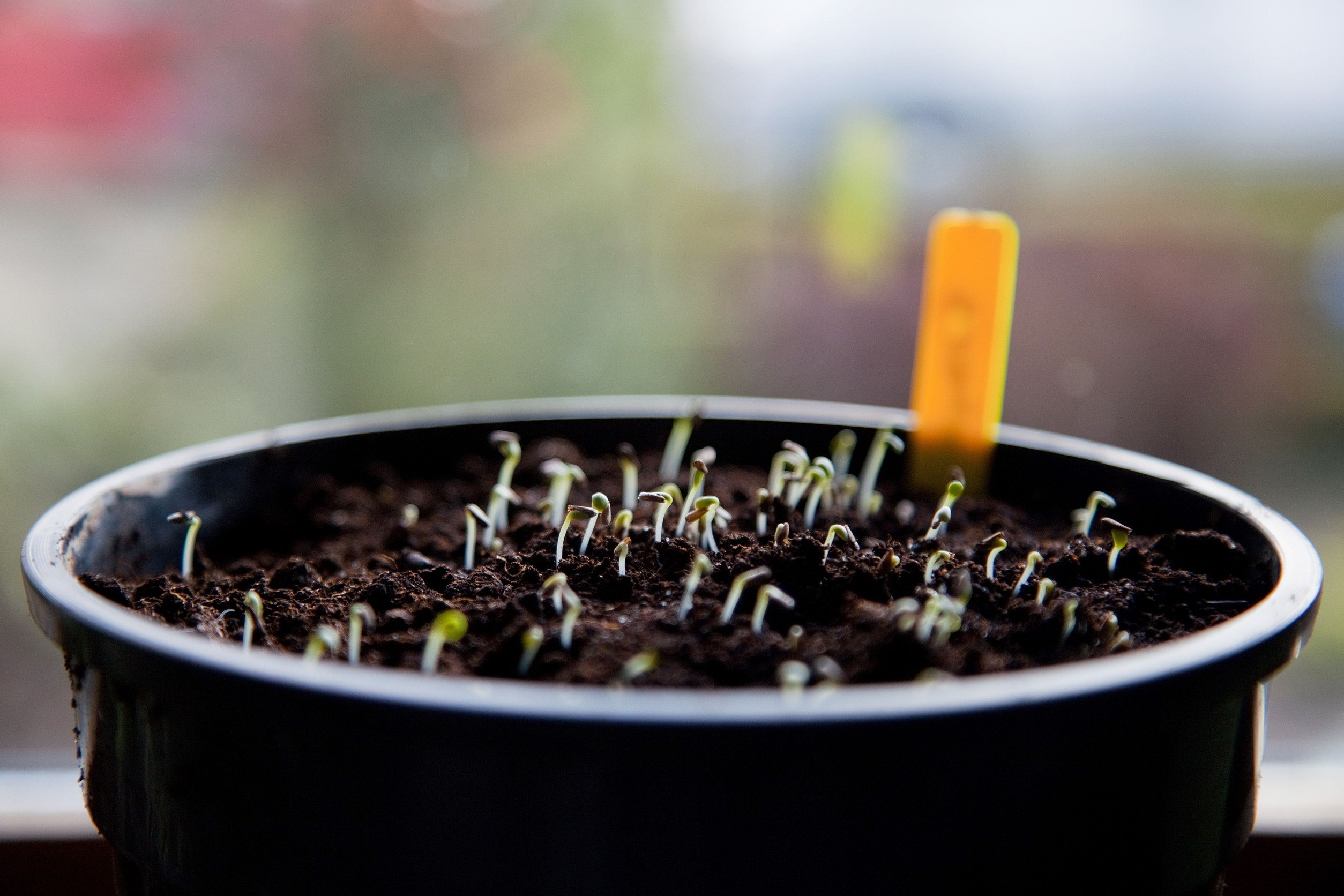
When planting seeds, use small pots with drainage holes filled with a seed-starting potting mix, which promotes healthy root development. Seeds should be planted at a depth that is three times their width, and it is often beneficial to plant multiple seeds in each pot to ensure at least one strong sprout emerges. Labeling each container with the seed variety and sowing date can help track their progress.
Creating an optimal growing environment is key to successful seed germination. Some plants thrive in cooler temperatures, while others require warmth. Keeping heat-loving plants near warm spots, such as on top of a refrigerator, can aid their growth. Consistent moisture is also vital; a self-watering system can help maintain the right level of hydration.
Once seedlings have sprouted, they can be moved to a cool, sunny location, with periodic rotation to ensure even growth. Fertilization should begin when the seedlings develop their second set of leaves, and thinning—removing weaker sprouts—will promote stronger growth.
Before transplanting seedlings outdoors, the hardening-off process is essential to acclimatize them to external conditions. This involves gradually increasing their outdoor exposure over one to two weeks, starting with just an hour a day. The best time to transplant is after the last frost date, ideally in the morning to minimize stress from sun exposure.
For those with limited space, vertical gardening offers an effective solution, allowing plants to grow upwards rather than outwards, making it suitable for small gardens or balconies.
Household items can serve as eco-friendly alternatives for seed-starting pots. Options include toilet paper rolls, plastic bottles, eggshells, egg cartons, and food containers, all of which can be repurposed to create biodegradable planting containers.
By following these guidelines, gardeners can effectively start seeds indoors, setting the stage for a fruitful gardening experience. Whether growing a single tomato plant or expanding a larger garden, the journey begins with patience and a commitment to nurturing the plants.
Check out the original article here: Source link